


At Canon, we believe that every patient should be able to receive the potentially life-saving CT scans they need without compromising their health and wellbeing. To that end, we have spent years researching and developing new solutions that, in line with the ALARA principle, reduce dose and improve image quality for increased confidence with every scan.
Integrated Intelligence
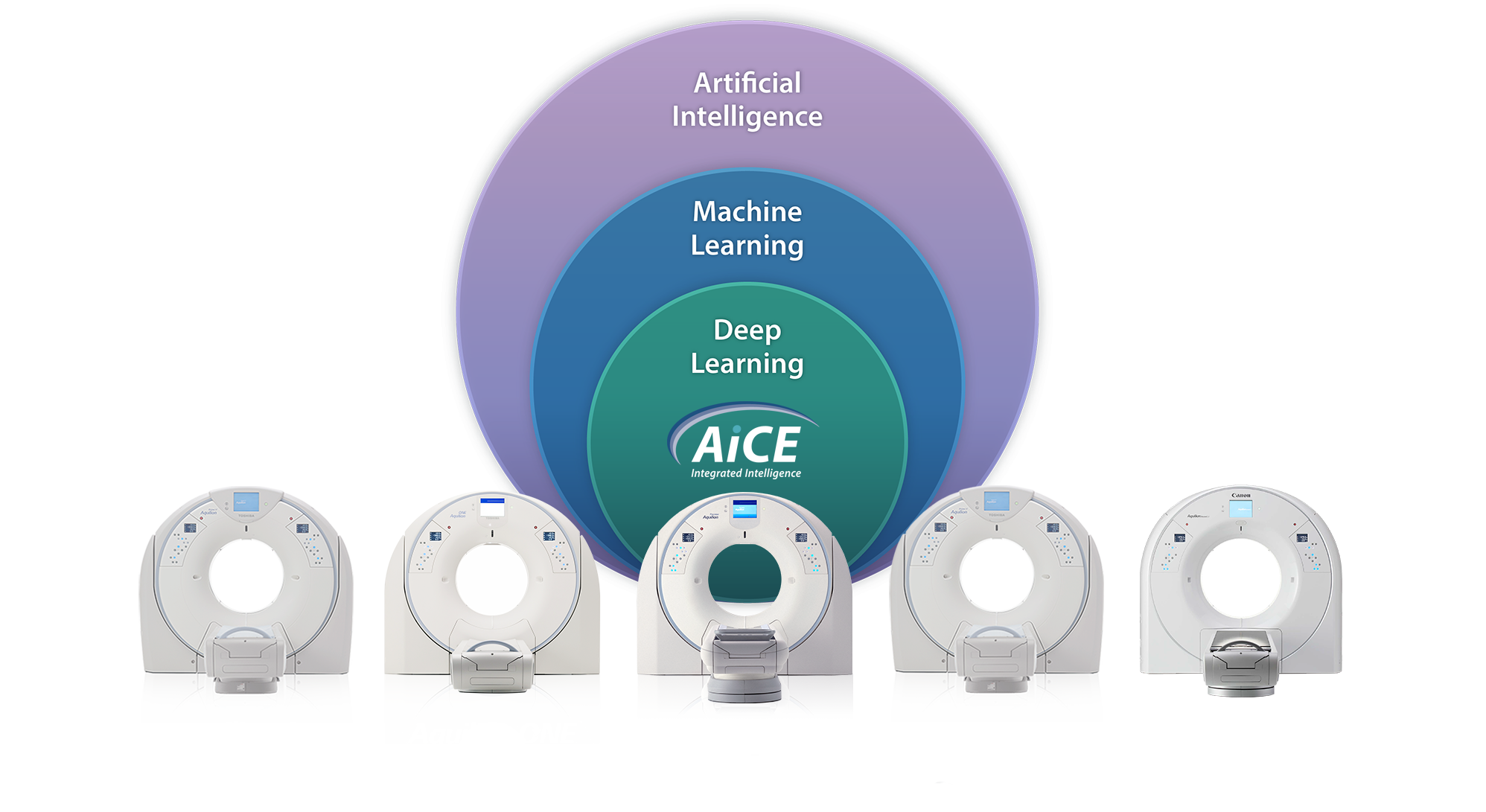
Advanced intelligent Clear-IQ Engine (AiCE)
AiCE uses powerful deep learning technology to match the spatial resolution and low-noise properties of advanced model-based iterative reconstructions to produce high-quality, low-dose images at speed.

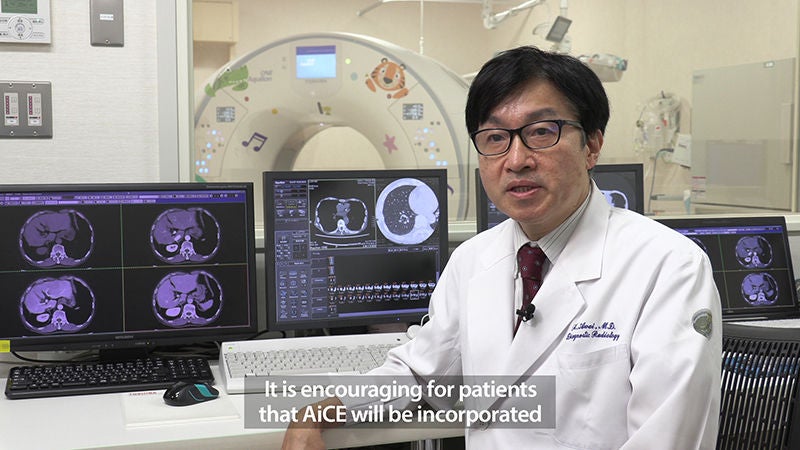

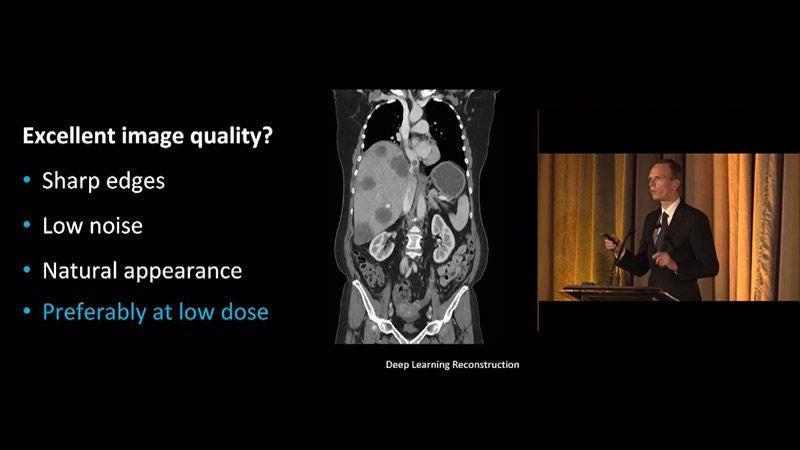
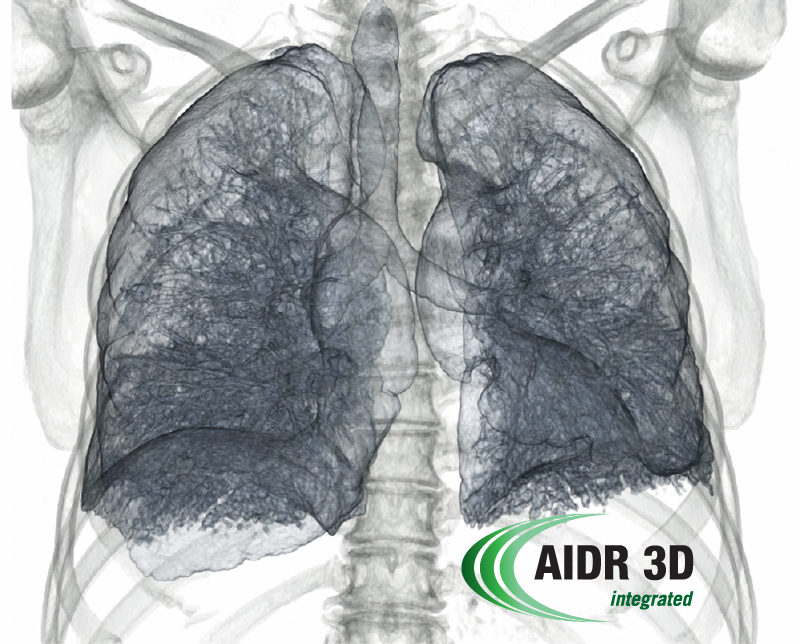

A better balance between image quality and dose
PUREViSION Optics
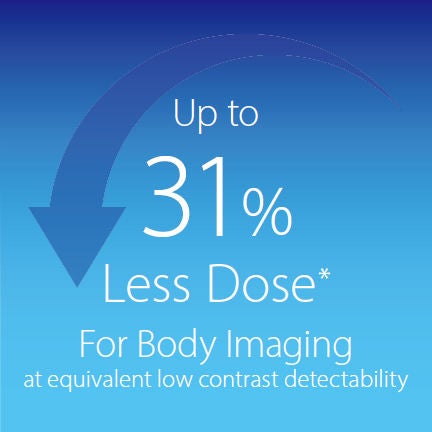
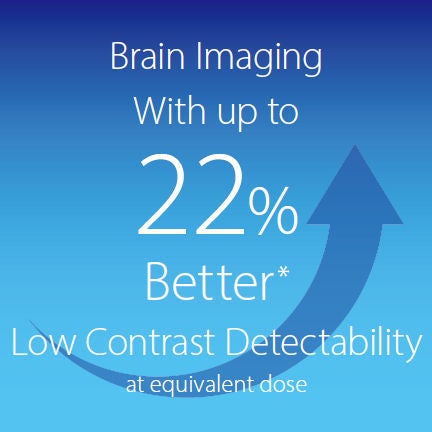
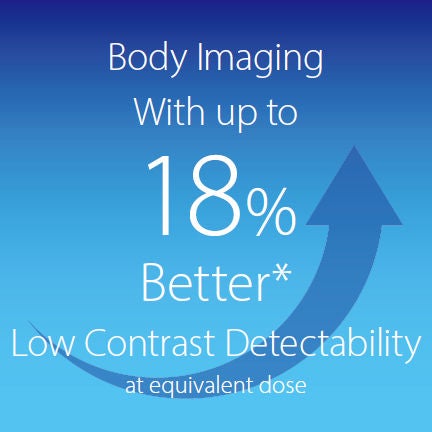
PUREViSION Optics takes routine CT imaging to a new level of detail and low contrast detectability with an optimized beam spectrum and detector that reduces dose by up to 31%*.
*A non-prewhitening model observer study was conducted comparing Aquilion ONE / GENESIS Edition to Aquilion ONE. Maximum dose reduction values were established by comparing low contrast detectability under baseline conditions for abdominal and brain examination based on the detectability index performance metric, a measure of signal to noise that takes into account the magnitude and texture of both the signal and the noise for a given LCD task.
Whitepapers
AiCE Deep Learning Reconstruction: Bringing the power of Ultra-High Resolution CT to routine imaging
Kirsten Boedeker, PhD, DABR Senior Manager, Medical Physics, Canon Medical Systems Corporation
PUREViSION Optics: The optimal balance between image quality and dose
Jay Vaishnav, PhD Clinical Scientist, Manager, Medical Affairs, Canon Medical Systems USA, Inc.
Aquilion Precision Ultra-High Resolution CT: Quantifying diagnostic image quality
Kirsten Boedeker, PhD, DABR Senior Manager, Quantitative Image Quality, Canon Medical Systems Corporation
Case Study : Ultra-Low-Dose Chest with FIRST
Dr. Jonathan Seeff Consultant Radiologist Southern Radiology, Australia
The content reflects information available at the time of publication and may differ from current information.
Social Media


