

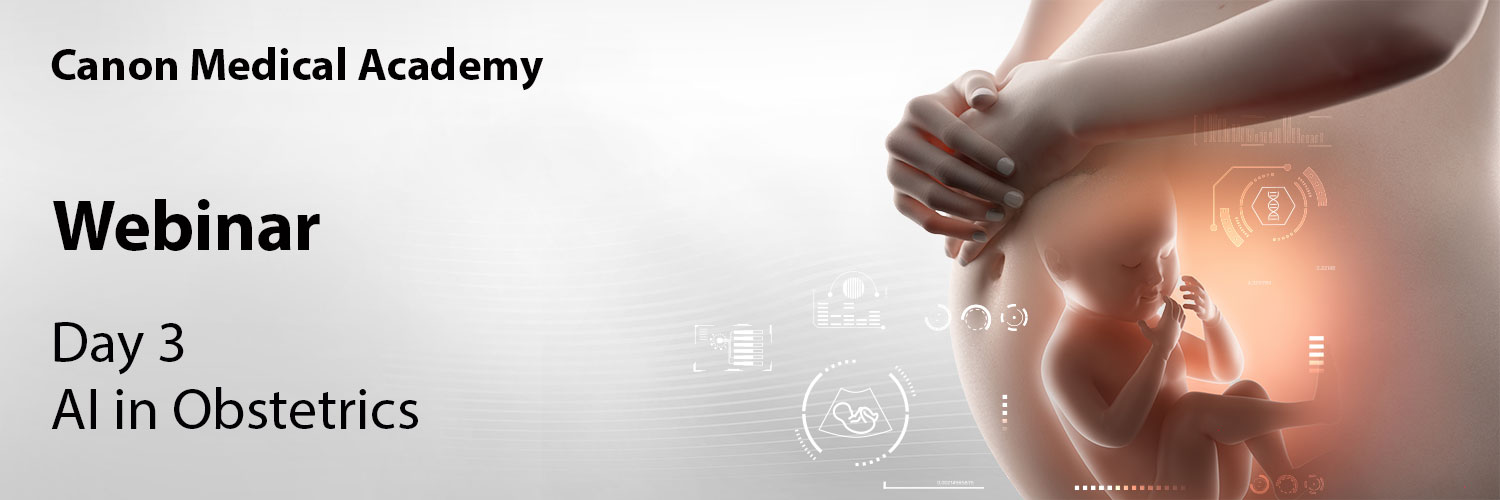
Artificial Intelligence in Obstetrics and Fetal Ultrasound
Artificial intelligence (AI), designed to simulate human intelligence in machines, is increasingly applied in medicine, particularly radiology and obstetrics[1].
In OBGYN, AI can analyze imaging data to automatically identify and classify structures such as the placenta or fetal organs with high accuracy.
By automating image acquisition, performing biometric measurements, and assisting in the detection of structural anomalies – including congenital heart disease – AI has the potential to enhance routine fetal ultrasound. However, optimal integration into clinical workflows remains uncertain, and potential risks must be considered.
Day 3 of Obstetrics Days will explore the opportunities, challenges, and practical applications of AI in obstetric screening.
Canon Medical Academy
Obstetrics Days Webinar | Day 3 | AI in Obstetrics
November 6 | 7pm (CET)
Day 3 | AI in Obstetrics
Ultrasound
November 6, 7 pm (CET) / 1 pm (EST)
Join Prof. Reza Razavi,Dr. Jacqueline Matthew, and Dr. Thomas Day as they share their insights on the potential uses of AI in fetal ultrasound, examine the risks and possible harms, and discuss how unmet clinical needs can guide the responsible adoption of AI in healthcare.
Register now for this last session of the Obstetrics Days, and participate in the live Q&A to share your perspective on this evolving field.
Program
- Introduction | Prof. Reza Razavi
- From Noise to Signal: A Clinical Researcher's Take on AI in Fetal Imaging | Dr. Jacqueline Matthew
- Artificial Intelligence in routine Fetal Ultrasound – Opportunities and Risk | Dr. Thomas Day
- Live Q&A moderated by Prof. Reza Razavi
- Discover the potential uses of AI in fetal ultrasound
- Learn the risks and potential harms of AI in fetal ultrasound
- Evaluate unmet clinical needs to guide AI in healthcare
- Participate in the live Q&A to find answers to your questions
Speakers and Presentations
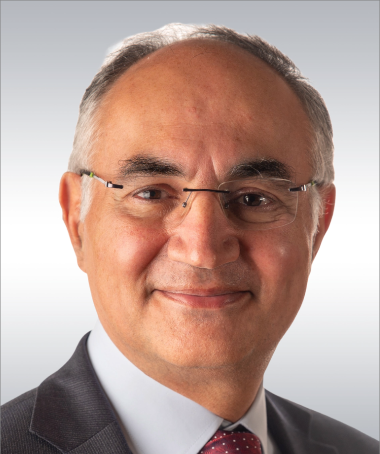
Moderator: Prof. Reza Razavi, MD, PhD Vice-President & Vice-Principal (Research) Paediatric Cardiologist
King’s College London (KCL); Evelina London Children’s Hospital, Guy’s and St Thomas’
Hospitals NHS Foundation Trust
London, UK
King’s College London (KCL); Evelina London Children’s Hospital, Guy’s and St Thomas’
Hospitals NHS Foundation Trust
London, UK
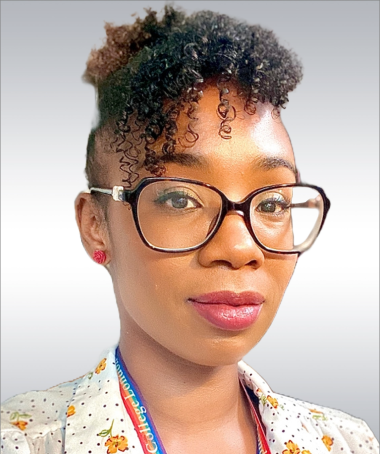
Speaker: Dr. Jacqueline Matthew, BSc (Hons), MSc, MRes, PhD Clinical Research Fellow/Sonographer
King’s College London / Guy’s St Thomas’ Hospital
London, UK
Presentation: From Noise to Signal: A Clinical Researcher's Take on AI in Fetal Imaging
AI is rapidly reshaping fetal ultrasound, from automated biometry and anomaly detection to real-time scanning support and remote collaboration.
This session, led by a clinical researcher and sonographer, will explore how AI moves us “from noise to signal” by enhancing fetal imaging workflows, improving diagnostic confidence, and reducing cognitive load in busy clinical environments.
We will review the applications of current commercially available tools alongside emerging research. The talk will also discuss the practical realities of translating into practice, including validation, workflow integration, and clinician trust, highlighting what is currently possible and what is on the horizon.
King’s College London / Guy’s St Thomas’ Hospital
London, UK
Presentation: From Noise to Signal: A Clinical Researcher's Take on AI in Fetal Imaging
AI is rapidly reshaping fetal ultrasound, from automated biometry and anomaly detection to real-time scanning support and remote collaboration.
This session, led by a clinical researcher and sonographer, will explore how AI moves us “from noise to signal” by enhancing fetal imaging workflows, improving diagnostic confidence, and reducing cognitive load in busy clinical environments.
We will review the applications of current commercially available tools alongside emerging research. The talk will also discuss the practical realities of translating into practice, including validation, workflow integration, and clinician trust, highlighting what is currently possible and what is on the horizon.
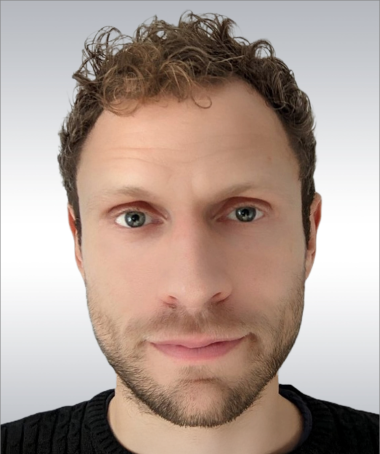
Speaker: Dr. Thomas Day, MBChB, MRes, PhD Consultant Fetal Cardiologist
Evelina London Children’s Hospital, Guy’s and St Thomas’ Hospitals NHS Foundation Trust
London, UK
Presentation: Artificial Intelligence in Routine Fetal Ultrasound – Opportunities and Risks
Artificial intelligence (AI) shows promise in improving several aspects of routine fetal ultrasound scanning.
It can be used to automate tasks such as image scanning and biometric measurement. It can also be used to diagnose structural anomalies in the fetus, for example, congenital heart disease. However, how best to incorporate these tools into the clinical workflow is not completely clear, and there are potential risks that should be considered.
Evelina London Children’s Hospital, Guy’s and St Thomas’ Hospitals NHS Foundation Trust
London, UK
Presentation: Artificial Intelligence in Routine Fetal Ultrasound – Opportunities and Risks
Artificial intelligence (AI) shows promise in improving several aspects of routine fetal ultrasound scanning.
It can be used to automate tasks such as image scanning and biometric measurement. It can also be used to diagnose structural anomalies in the fetus, for example, congenital heart disease. However, how best to incorporate these tools into the clinical workflow is not completely clear, and there are potential risks that should be considered.
Prof. Reza Razavi, MD, PhDReza Razavi, MD, PhD, is Professor of Pediatric Cardiovascular Science at King’s College London (KCL) and a Paediatric Cardiologist at Evelina London Children’s Hospital, part of Guy’s and St Thomas’ NHS Foundation Trust (GSTT).
His research focuses on imaging, artificial intelligence (AI), and biomedical engineering related to cardiovascular disease.
He has previously served as Vice President (Research) at KCL, Non-Executive Director of GSTT, and Director of both the London AI Centre for Value-Based Healthcare and KCL’s Centre for Medical Engineering.
In addition to his academic and clinical roles, he leads Fraiya, a KCL/GSTT spin-out company that has developed AI technology to transform pregnancy ultrasound.
Dr. Jacqueline Matthew, BSc (Hons), MSc, MRes, PhD Dr. Jacqueline Matthew is a clinical academic sonographer and imaging scientist at King’s College London and Guy’s and St Thomas’ NHS Foundation Trust, and the Chief Medical Officer of Fraiya Ltd, a prenatal ultrasound AI spin-out.
Her research focuses on advanced 3D ultrasound and AI-driven tools for anomaly detection, craniofacial biometry, and workflow optimization, with a strong emphasis on inclusive pregnancy research.
She has led multicenter clinical studies, co-designed AI solutions with clinicians and patients, and worked across academia, industry, and clinical practice to translate innovation into safe and effective adoption.
Dr. Thomas Day, MBChB, MRes, PhDThomas Day, MBChB, MRes, PhD, qualified from the University of Manchester in 2008. He trained in pediatrics in London and completed higher specialist training in pediatric and fetal cardiology in London, Oxford, and Melbourne. In 2024, he received a PhD in biomedical engineering from King’s College London, supported by an NIHR Doctoral Fellowship.
His research focuses on the use of artificial intelligence to improve ultrasound screening for fetal congenital heart disease. He was recently awarded a Clinical Research Excellence Fellowship by King’s Health Partners Centre for Translational Medicine.
View the Other Obstetrics Days
Other webinars that may interest you
References
- Anusch Yazdani, Sam Costa, Ben Kroon (2023)
Disclaimers
- The opinions expressed in this material are solely those of the presenter and not necessarily those of Canon Medical Systems. Canon Medical Systems does not guarantee the accuracy or reliability of the information provided herein.
- The clinical results, performance and views described in this video/webinar are the experience of the clinician. Results may vary due to clinical setting, patient presentation and other factors. Many factors could cause the actual results and performance of Canon Medical’s products to be materially different from any of the aforementioned.
- Some products shown might not be available in all regulatory jurisdictions, please consult with your local Canon sales office for availability in your region.
Social Media


